
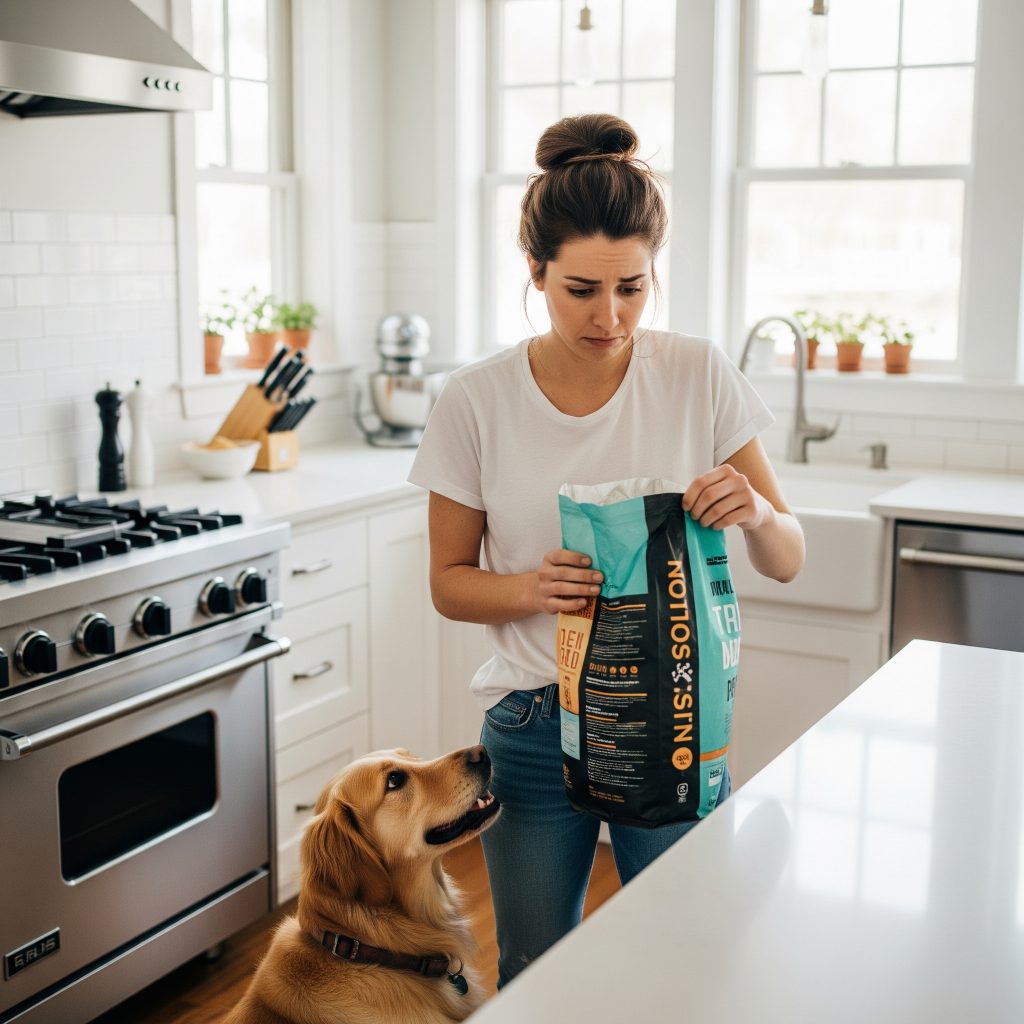
The pet food industry is a major player in the market, with 95% of brands owned by just six companies, accounting for nearly 90% of consumer spending. Knowing who owns your pet’s food brand is crucial for making informed choices. Here are the six largest pet food companies:
Key Players in the Pet Food Industry
- Mars, Inc.
- Market Position: Mars is the largest player in the pet food industry, also owning the largest chain of veterinary clinics (VCA).
- Brands: Pedigree, Royal Canin, Whiskas, IAMS, Eukanuba, Nutro, Greenies, Sheba, Cesar, Temptations, Evo, and Cesar. They have also acquired Orijen and Acana.
- Products: Primarily focuses on ultra-processed foods, with limited options in the fresh or minimally processed segment.
- Nestlé Purina
- Market Position: A leading player in the global pet food market, known for a wide range of pet food products.
- Brands: Merrick, Alpo, Beneful, Beyond, Castor & Pollux, Fancy Feast, Friskies, and Zukes.
- Products: Offers a mix of ultra-processed foods and more natural options.
- J.M. Smucker Company
- Market Position: A significant player in the pet food market, known for its diverse range of brands.
- Brands: Milk-Bone, Meow Mix, Kibbles ‘n Bits, 9Lives, Pup-Peroni, Gravy Train, Nature’s Recipe, Canine Carry Outs, Milo’s Kitchen, and Rachael Ray Nutrish. They sold Natural Balance in 2020.
- Products: Primarily offers ultra-processed pet foods
- Colgate-Palmolive
- Market Position: The third-largest company in the pet food sector.
- Brands: Hill’s Science Diet, Prescription Diet, and Ideal Balance.
- Products: Offers a range of prescription and regular pet foods, predominantly ultra-processed.
- Diamond Pet Foods
- Market Position: Known for co-packing, they manufacture products for many brands.
- Brands: Owns Diamond Naturals and Taste of the Wild.
- Products: Focuses on producing a variety of pet foods, often involved in manufacturing for other brands as well.
- General Mills
- Market Position: Owner of Blue Buffalo, a significant player in the pet food market.
- Brands: Blue Buffalo.
- Products: Offers various formulas and specialty diets, focusing on providing a range of options for pet owners.
Industry Practices
The industry is controlled by a few corporations, primarily producing ultra-processed foods. Many engage in “co-packing,” leading to shared recalls. Understanding ownership and production practices helps in making informed nutritional choices.
Veterinary School Influence
Many of these corporations have strong relationships with veterinary schools worldwide, often sponsoring programs and influencing the education provided to future veterinarians. This relationship can lead to a bias towards recommending ultra-processed foods produced by these companies.
Product Composition
The majority of products from these companies are ultra-processed, which may lack the nutritional benefits found in fresh, whole foods. These foods are often criticized for containing fillers and artificial additives, prompting pet owners to seek out brands that emphasize natural and high-quality ingredients.
The industry is dominated by corporations focused on ultra-processed foods. However, consumer demand for healthier options is growing, leading to more fresh and minimally processed products. This shift is supported by the availability of human-grade pet food and the popularity of homemade and raw diets.
The Main Focus
Big corporations in the pet food industry, such as Mars, Inc., Hershey and J.M. Smucker Company, and Colgate-Palmolive, primarily focus on producing and marketing ultra-processed pet foods. While these companies do consider pet health in their product formulations, their primary focus tends to be on:
- Market Share and Profitability: These major players aim to maintain and expand their market share, often through the mass production of ultra-processed foods, which are cost-effective to produce and have a longer shelf life.
- Brand Recognition and Loyalty: By owning multiple well-known brands, these corporations focus on building strong brand loyalty among consumers, supported by extensive marketing and advertising efforts.
- Product Diversification: Although the majority of their offerings are ultra-processed, they invest in developing specialized products, like therapeutic or “Prescription Diet” foods, to cater to specific health needs and expand their product lines.
- Influence and Partnerships: They establish strong relationships with veterinary schools and professionals to promote their products, potentially leading to a bias towards recommending their ultra-processed foods.
FAQs
- What are the major companies dominating the pet food industry?
- Mars, Inc., Nestlé Purina, J.M. Smucker Company, Colgate-Palmolive, Diamond Pet Foods, and General Mills.
- What are ultra-processed pet foods, and why are they concerning?
- They are industrial formulations with additives, often leading to health issues like obesity and allergies.
- How do major companies influence veterinary education?
- Through sponsorships and program support, potentially biasing recommendations.
- What are alternatives to ultra-processed dog food?
- Homemade food and high-quality commercial brands using human-grade ingredients.
- What trends are emerging in the pet food industry?
- Demand for fresh, non-GMO, ethically sourced foods, with a rise in homemade and raw diets.