
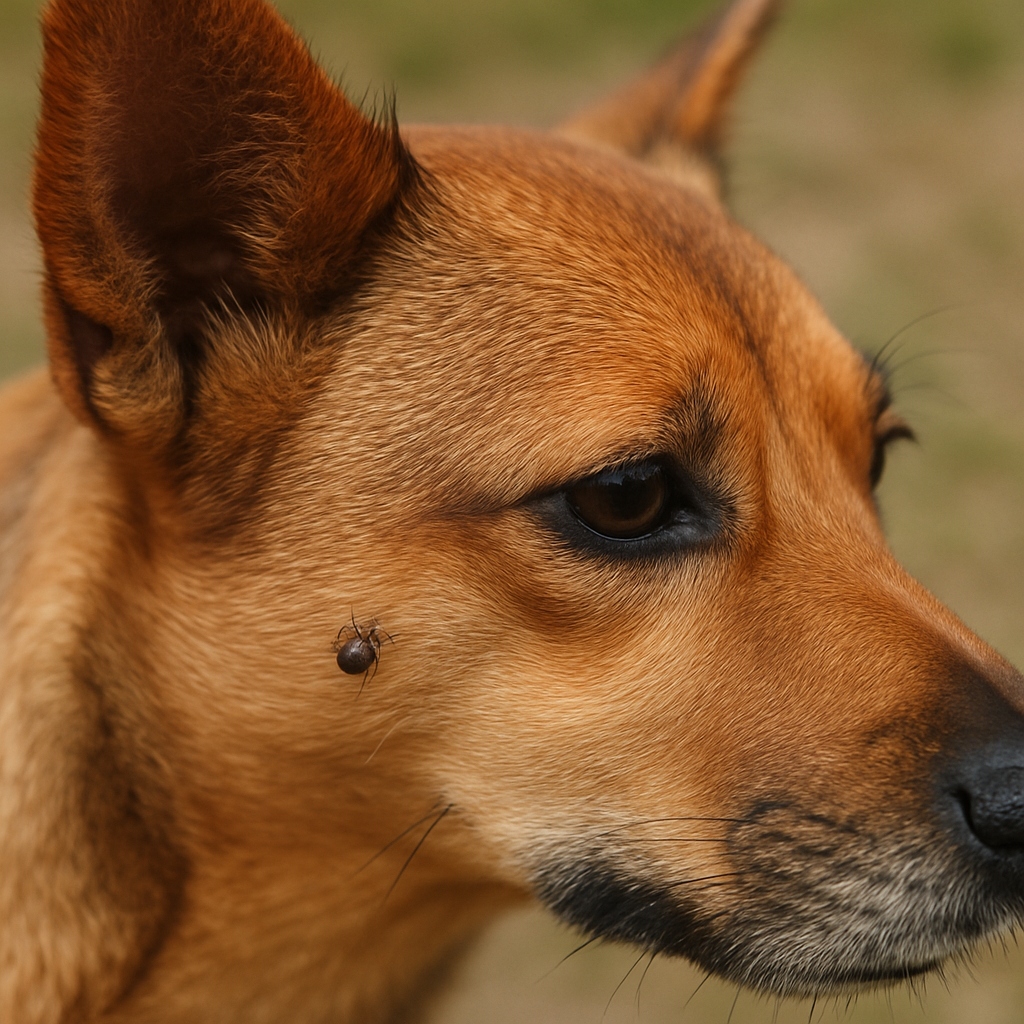
Holistic Strategies for Flea, Tick, and Lice Control
At a Glance:
Flea and Tick Control:
- Essential Oils
- Apple Cider Vinegar
- Natural Flea Collars
- Herbal Flea Powders
- Dietary Supplements
- Regular Grooming
- Environmental Control
- Heat Use
Lice Control:
- Manual Removal
- Vinegar Rinse
- Essential Oils for Lice
- Neem Oil
- Herbal Sprays
- Diatomaceous Earth for Lice
- Regular Bathing
- Cleaning and Vacuuming
- Healthy Immune System
Dive Deeper: Detailed Strategies
Flea and Tick Control:
- Essential Oils: Harness the power of nature with lavender, cedarwood, peppermint, eucalyptus, and lemongrass. Remember to dilute with a carrier oil to keep your pet’s skin safe.
- Apple Cider Vinegar: Create a natural shield by mixing equal parts vinegar and water. Spray to repel fleas and ticks, but steer clear of the face and eyes.
- Natural Flea Collars: Transform a simple bandana into a chemical-free deterrent by soaking it in essential oils and water.
- Herbal Flea Powders: Sprinkle food-grade diatomaceous earth, neem powder, and yarrow on your pet’s fur to naturally dehydrate and eliminate fleas.
- Dietary Supplements: Boost your pet’s defenses with a hint of garlic, and omega-3s to make their blood less appealing to pests.
- Regular Grooming: Keep fleas and ticks at bay with frequent brushing and neem oil-enhanced baths.
- Environmental Control: Use diatomaceous earth in pet areas, vacuum regularly, and plant lavender and mint to naturally repel pests.
- Heat Use: A simple hot wash of pet bedding can be a powerful tool against fleas, ticks, and their eggs.
Lice Control:
- Manual Removal: Arm yourself with a fine-toothed lice comb for a thorough, hands-on approach.
- Vinegar Rinse: Loosen lice and nits with a vinegar and water solution, making them easier to comb out.
- Essential Oils for Lice: Use tea tree, lavender, eucalyptus, and rosemary oils, but always dilute to prevent irritation.
- Neem Oil: Add this natural insecticide to your pet’s shampoo to keep lice at bay.
- Diatomaceous Earth for Lice: Dust your pet’s coat carefully, avoiding the face, to dehydrate and kill lice.
- Regular Bathing: Maintain a lice-free coat with regular neem oil shampoos.
- Cleaning and Vacuuming: Hot water cleans and regular vacuuming are your allies in removing lice and eggs.
- Healthy Immune System: Fortify your pet’s natural defenses with a nutrient-rich diet and immune-boosting supplements.
With these natural strategies, you’re not just keeping your pets safe—you’re also protecting them from nasty chemicals that could harm their health and the planet!
Meet Dr. Andrew Jones, one of my favorite go-to vets who’s all about empowering pet owners with simple, DIY tips and practical advice. He’s a wealth of knowledge, offering down-to-earth guidance, tips, recipes, and more. For additional videos and recipes, check out ‘Veterinary Secrets.’
Dr. Jones’ Flea and Tick Spray Recipes, each offering a slightly different version for natural pest control:
Dr. Jones’ Flea and Tick Spray Recipe:
- Ingredients:
- 5 Tbsp (75 ml) Witch Hazel/Aloe
- 2 Tbsp (30 ml) Coconut Oil
- 1 ml (20 drops) Turmeric Oil
- 1 ml (1 dropper) Neem Oil
- Instructions: Mix ingredients in a spray bottle. Apply twice a week on your dog’s coat using a flea comb for maximum effect.
Dr. Jones’ Best Flea and Tick Spray Recipe:
- Ingredients:
- ½ cup (125 ml) Witch Hazel/Aloe
- 2 Tbsp (30 ml) Liquid Coconut Oil
- 2 droppers (2 ml) Neem Oil
- 40 drops (2 ml) Cedarwood Oil
- 1 Tbsp Castille Soap
- Instructions: Mix ingredients in a spray bottle. Lightly mist your dog or cat and use a flea comb to spread throughout their fur.
For a Visual Guide:
For a visual guide on the above recipe for creating the best flea and tick spray for your pets, watch this YouTube short by Dr. Andrew Jones. This video provides a quick and engaging overview of how to naturally protect your cats and dogs from pests.