
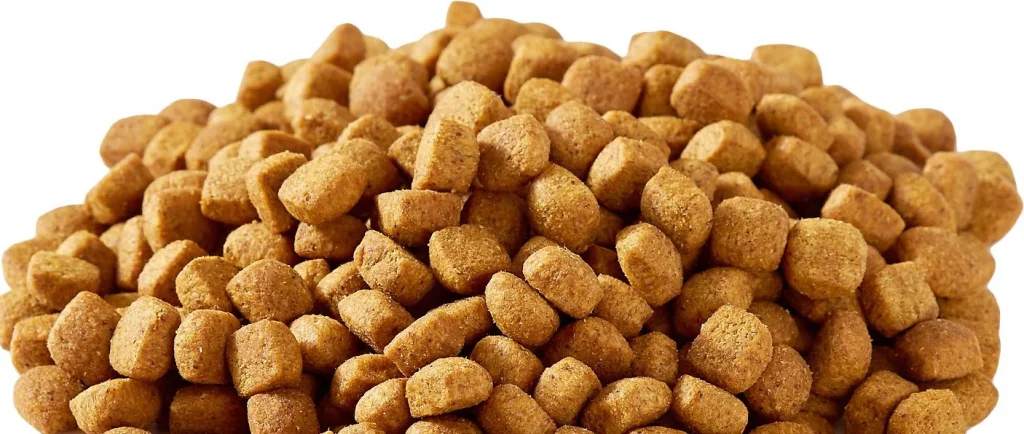
Choosing the right diet for your dog is crucial for their health and well-being. This article explores the impact of kibble and raw food diets on canine health, providing insights from a significant study by Dr. Sarah Rosendahl.
Insights from Dr. Sarah Rosendahl and the DogRisk Research Group
Dr. Sarah Rosendahl, a veterinarian and PhD, joined the DogRisk team at the University of Helsinki in 2019. DogRisk focuses on studying how different diets affect canine health, particularly in the development of chronic diseases.
Kibble Diet: Potential Concerns
- Higher Triglycerides and Total Cholesterol:
- Lipid Metabolism Indicators: Triglycerides and cholesterol are vital components of lipid metabolism, serving as energy sources and structural components of cell membranes. However, elevated levels in dogs can signal metabolic imbalances.
- Health Implications: Persistent high levels of triglycerides and cholesterol can increase the risk of developing obesity-related conditions, such as pancreatitis, cardiovascular issues, and metabolic syndrome.
- Dietary Causes: The formulation of kibble often includes high levels of carbohydrates and fats, which can contribute to increased lipid levels. The processing methods used in kibble production can also affect the nutritional quality and digestibility of these components.
- Weight Gain:
- Rapid Digestion and Blood Sugar Spikes: Kibble is typically high in fast-digesting starches, such as corn and wheat, which are quickly converted into glucose, leading to spikes in blood sugar and insulin levels.
- Insulin and Fat Storage: Elevated insulin levels promote the storage of excess glucose as fat, contributing to weight gain.
- Long-term Effects: Consistent weight gain can lead to obesity, associated with joint problems, decreased mobility, diabetes, and a reduced lifespan.
- Nutritional Imbalance: Kibble diets often lack the necessary balance of proteins, fats, and carbohydrates needed for optimal health.
Exploring the Raw Food Diet
- Lower Glucagon and Tyg Index:
- Glucagon Levels: Lower glucagon levels in dogs on a raw food diet suggest a more stable blood sugar level.
- Tyg Index: A reduced Tyg Index in raw-fed dogs indicates improved insulin sensitivity and a balanced energy metabolism.
- Higher BHB Levels:
- Beta-Hydroxybutyrate (BHB): Higher BHB levels indicate efficient fat metabolism, which can be more sustainable and beneficial for energy balance.
- Weight Maintenance or Loss:
- Absence of Carbohydrates: Raw diets typically contain minimal to no carbohydrates, focusing instead on proteins and healthy fats.
- Proteins and Fats for Energy: By relying on proteins and fats, raw-fed dogs can maintain muscle mass while using fats for energy.
Conclusion: Raw Food Diet vs. Kibble
A raw food diet promotes stable energy, efficient fat use, and healthy weight management by prioritizing proteins and fats over carbohydrates. It offers significant health benefits, particularly in terms of energy and weight management. For optimal results, ensure the diet meets all nutritional needs by consulting with a veterinarian or pet nutritionist.
Additional Insights:
- Fast Digesting Starches: Ingredients like rice and maize in kibble are quickly broken down into glucose, causing blood sugar spikes.
- Raw Food Composition: With zero percent carbohydrates, a raw food diet supports weight maintenance and balanced energy metabolism.
Transitioning Diets: Holistic and Integrative Approaches
- Gradual Transition: Holistic vets recommend a gradual transition to allow the digestive system to adjust smoothly.
- Holistic Support: Integrative vets might suggest supplements or herbal remedies to support digestion during the transition.
- Customized Plans: A holistic vet may develop a personalized transition plan that considers factors such as age, breed, and any existing health conditions.
- Nutritional Balance: These vets emphasize the importance of a balanced diet, often recommending whole, natural ingredients.
By following these guidelines, you can make informed decisions about your dog’s diet, ensuring their health and happiness. Always consult with professionals to tailor a diet that suits your pet’s unique needs.
For more detailed insights and explanations, you can watch the study on YouTube.
FAQ: Understanding the Impact of Diet on Canine Health
1. What are the potential health concerns associated with a kibble diet for dogs?
A kibble diet can lead to higher triglycerides and total cholesterol levels, which may increase the risk of obesity-related conditions such as pancreatitis and cardiovascular issues. Additionally, kibble often contains fast-digesting starches that cause blood sugar spikes, contributing to weight gain and nutritional imbalances.
2. How does a raw food diet benefit a dog’s energy metabolism?
A raw food diet promotes lower glucagon levels and a reduced Tyg Index, indicating improved insulin sensitivity and balanced energy metabolism. This diet focuses on proteins and healthy fats, leading to stable energy levels and efficient fat metabolism, as evidenced by higher BHB levels.
3. Why might a dog owner choose a raw food diet over kibble?
Dog owners might choose a raw food diet because it supports stable energy, efficient fat use, and healthy weight management. The diet’s emphasis on proteins and fats over carbohydrates can lead to improved overall health, reduced risk of chronic diseases, and better weight control.
4. What should be considered when transitioning a dog from kibble to a raw food diet?
When transitioning to a raw food diet, it’s important to do so gradually to allow the dog’s digestive system to adjust. Consulting with a holistic or integrative veterinarian can provide additional support, such as recommending supplements or herbal remedies to facilitate the transition smoothly.
5. How can a holistic veterinarian assist in improving a dog’s diet?
A holistic veterinarian can offer personalized dietary plans that consider a dog’s age, breed, and health conditions. They emphasize balanced diets with whole, natural ingredients and may suggest supplements to support digestion and overall well-being, helping prevent chronic diseases.